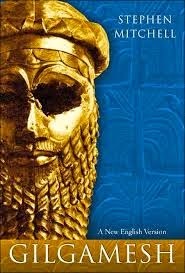
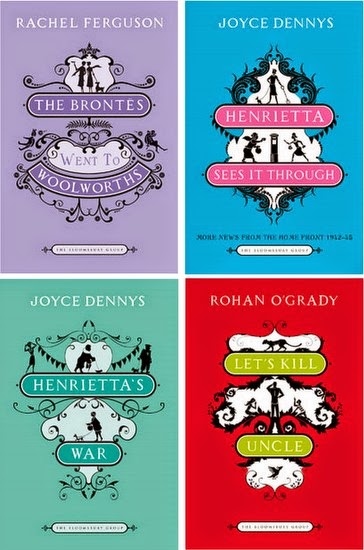
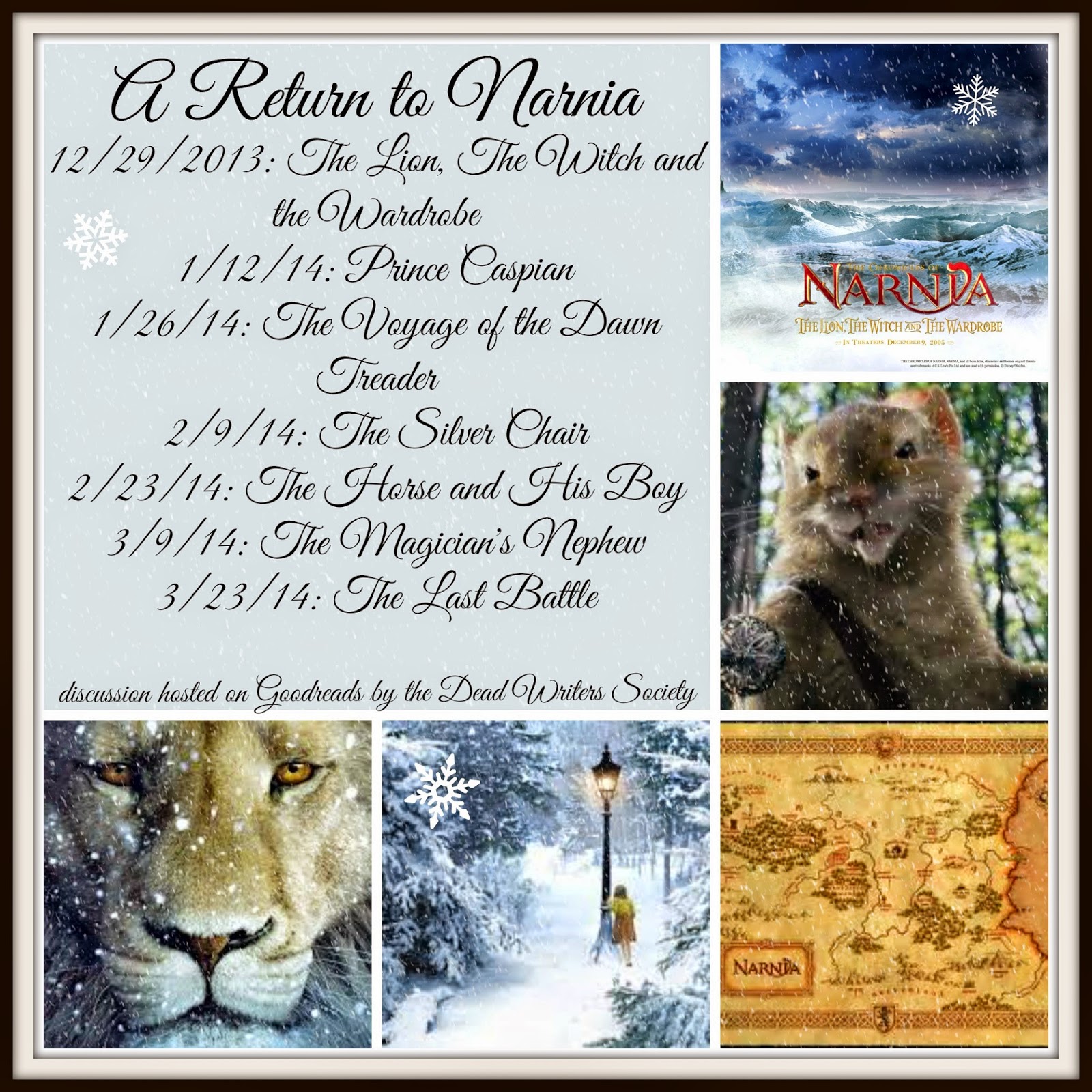
Yes, I am insane. I have so many books on the go now, I can hardly remember my own name. I have two MOOCs courses that I’ve recently started, I’m leading a two book discussions on Goodreads, trying to keep afloat on my WEM Project because I’m participating with others, and am desperately trying to participate in a discussion in another group, which I’m certain I’m going to fall behind in. And I’m taking deep breaths …….. So, in order to see how I’m desperately in need of professional help going to get all these books completed on time, let’s take a look.
1.
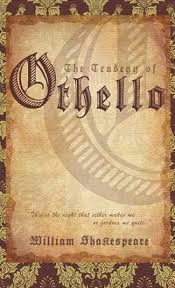
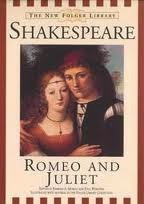
For my Shakespeare On Page and Performance course (2 of the 6 plays that need to be read by December)
2.
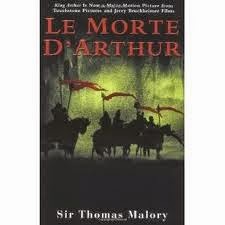
For my read along. Yes, I’m doing okay with this so far, Jean!
3.
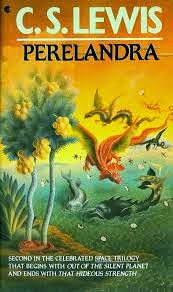
I’m leading the discussion in my Dead Writer’s Society group. It’s great fun, but it takes some research. And research takes time ……..
4.

For my WEM Project. I was not looking forward to this book, but have been pleasantly surprised! Montaigne is certainly an interesting character.
5.
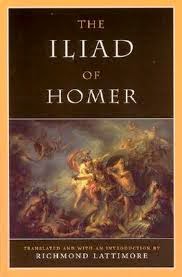
I just love this book. If I had the time I’d read it once per year. I’m reading it with someone at the moment and am having to rush a little so it’s not the best reading experience. You can’t rush this epic. Like a good wine, it must be sipped, tasted, swallowed, enjoyed, and then ruminated upon, before taking another sip. Pure bliss!
6.
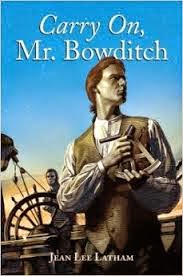
A buddy read with my Dead Writer’s Society group. It is so interesting!
7.

For my MOOCs Dante course. I’ve just found that I need to read the complete book before the course begins in one week. Help! Anyone?
8.
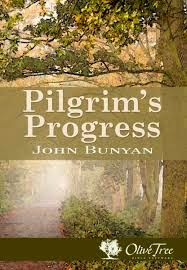
Someone would like me to read this book with them as part of the Well-Educated Mind novel list. So I said, “yes”. Is that the right answer ……….. yes …………..??
9.
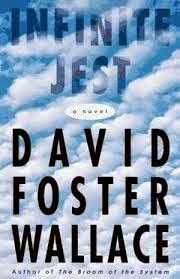
I’m reading this book with another group on Goodreads, just to help me get through it. So far I hate it. Hate, as in I want to tear it into tiny shreds and trample on it and use if for the bottom of my rabbit’s litter tray. Yet, I’m persevering. I know I’m going to fall behind the read, but I figure that if I can read at least 10 pages a day, eventually I’ll get through it. After all, I don’t want to miss one of the greatest and most ingenuous novels of all time, do I? Excuse me, while I make choking noises …….
10.
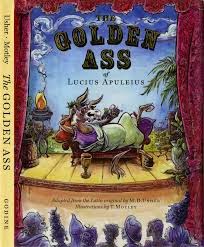
In spite of the childish cover, this is an ancient Roman novel and the only one to survive in its entirety! I want to read it ……… or do I? Yes, I do ………… no, I don’t ………… yes, I do ………… no, I don’t ………… yes, I do ……………..??
Just let me know when the little men will arrive with the white jacket with the joined arms. At least this post is a reminder to keep focused and keep reading. I can do this, I must do this …….